
Creating a safe and comfortable building environment begins with understanding the conditions beneath the ground. Soil gas management plays an important role in supporting indoor air quality, protecting building occupants, and promoting long-term structural performance. Through careful assessment, effective engineering methods, and suitable protective systems, construction professionals can manage potential soil gas movement and establish healthier indoor spaces. A well-planned approach also supports dependable building performance while encouraging confidence among property owners, developers, and occupants.
Promoting Healthier Indoor Air Quality
Maintaining good indoor air quality is essential for creating comfortable residential, commercial, and industrial environments. Effective soil gas management helps control unwanted gas entry through foundations and supports healthier indoor conditions.
- Reduce unwanted soil gas entry through foundation openings.
- Support better indoor air quality through protective measures.
- Maintain suitable ventilation within enclosed building spaces.
- Promote comfortable environments for occupants and visitors.
- Encourage consistent indoor environmental monitoring.
Strengthening Foundation Protection
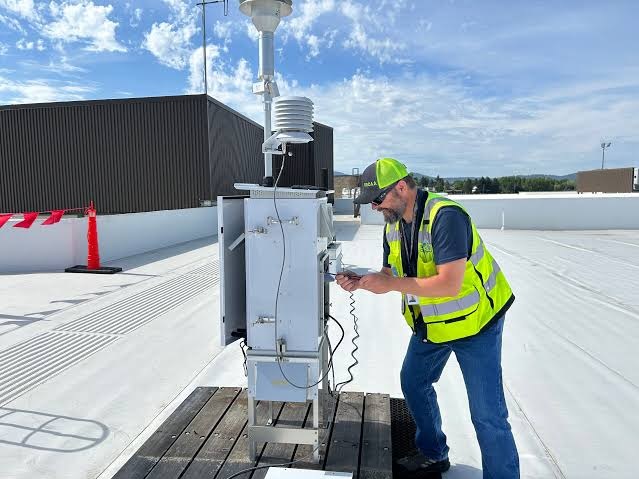
A properly designed foundation protection system provides an important barrier against soil gas movement. Integrating suitable mitigation measures during construction helps create dependable building protection and supports long-term structural performance.
- Install appropriate gas-resistant membrane systems.
- Seal foundation joints and potential entry points.
- Incorporate protective barriers beneath concrete slabs.
- Support effective drainage and gas collection arrangements.
- Maintain continuity across important foundation protection areas.
Supporting Effective Gas Mitigation Strategies
Successful soil gas management depends on selecting solutions that match site conditions and building requirements. Professional assessment helps determine suitable engineering approaches that encourage effective gas control and reliable building protection.
- Conduct detailed soil gas assessments before construction.
- Evaluate subsurface conditions to guide system selection.
- Incorporate sub-slab depressurization where appropriate.
- Design effective pathways for controlled gas removal.
- Verify system performance through suitable testing procedures.
Improving Long-Term Building Performance
Thoughtful soil gas management contributes to dependable property performance throughout its service life. Regular inspections and appropriate maintenance help protective systems remain effective while supporting lasting indoor environmental quality.
- Schedule periodic inspections of mitigation components.
- Monitor gas control system performance consistently.
- Maintain protective membranes and sealed connections.
- Address maintenance requirements through professional guidance.
- Support continued protection as building conditions evolve.
Encouraging Better Construction Planning
Integrating soil gas considerations into early construction planning creates opportunities for efficient coordination and successful project delivery. Architects, engineers, and construction professionals can work together to incorporate appropriate protective measures without compromising building functionality.
- Include soil gas evaluations during initial site assessments.
- Coordinate mitigation designs with foundation construction.
- Select suitable materials for long-term protection.
- Follow relevant environmental and building requirements.
- Maintain clear documentation throughout project development.
Creating Safer Indoor Environments
Reliable soil gas management represents a valuable investment in building safety, occupant comfort, and environmental responsibility. Property developers and construction professionals can visit website resources to explore suitable mitigation approaches and understand available protective solutions.
By combining professional assessments, effective engineering designs, and consistent system maintenance, projects can achieve dependable soil gas control. These proactive measures encourage healthier indoor environments, strengthen foundation protection, and support sustainable building development. Ultimately, effective soil gas management helps create safer, more comfortable, and better-protected spaces for everyday use.